Short answer: Yes, honey is produced in Qatar. Local bee farms harvest three main types, named after the flowers in season: Sidr honey, the most produced and most in demand, harvested around November, and Samr and spring (Rabi) honey, harvested around May. Qatar's Ministry of Municipality supports local farms with beehives, equipment and training, and every winter the Souq Waqif International Honey Exhibition brings Qatari farms together with producers from many countries.
Honey seasons in Qatar
| Honey | Flowers | Harvest | Good to know |
|---|---|---|---|
| Sidr | Sidr trees (Ziziphus) | Around November | Produced in the largest amounts and the most in demand |
| Samr | Samr acacia trees | Around May | Usually darker and stronger than Sidr |
| Spring (Rabi) | Wild spring flowers | Around May | From wild flowers that bloom after the winter rains |
How Qatar's bee farms cope with the heat
Summer is the hardest season for bees in Qatar. The Agricultural Affairs Department of the Ministry of Municipality gives local farms beehives and beekeeping equipment free of charge and trains farm workers in honey production. To protect hives in the heat, farms shade them, connect them to water and use desert coolers. Officials say local honey production is growing year by year.
The Souq Waqif International Honey Exhibition
Every winter, Eastern Square in Souq Waqif hosts the International Honey Exhibition. The 2025 edition had 107 exhibitors from 27 countries, including 54 local companies and nine Qatari farms. The seventh edition ran in January 2026 with about 100 local and international producers. Entry is free, and the exhibition has a lab that tests honey quality. Visitors can find Sidr, Samr, Talh and mangrove honey, as well as honey from countries such as Pakistan, Morocco, Jordan and Tunisia. It is usually held in January or February – watch local news for the dates.
Local or imported honey?
Alongside local honey, shops in Qatar sell honey from many countries, including Yemen, Saudi Arabia, Pakistan and Turkey. Whatever you choose, ask where the honey comes from and which flowers it is made from, taste it if you can, and read the label. Our guide on how to buy honey in Qatar explains what to check. To learn more about the tree behind Sidr honey, read the Sidr tree in Qatar.
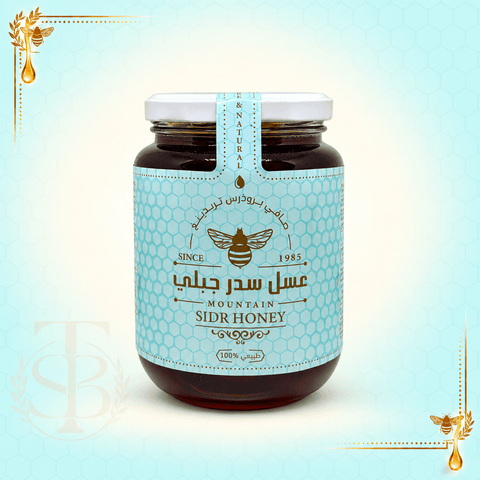
Our own honey comes from Kashmir, Pakistan. Try our Sidr honey or browse all honey, delivered free across Qatar.
Facts on Qatar's honey seasons, bee farm support and the exhibition are from reports in The Peninsula (February 2025) and Gulf Times (January 2026). Honey is not suitable for babies under 12 months.
Sidr honey, delivered across Qatar
Sidr honey → · All honey → · Honeycomb → · Cash on delivery · Free delivery across Qatar · 7-day money-back · WhatsApp +974 7772 5027
FAQ
Is honey made in Qatar?
Yes. Local bee farms produce Sidr, Samr and spring (Rabi) honey, with support from the Ministry of Municipality.
When is Sidr honey harvested in Qatar?
Local Sidr honey is harvested around November, while Samr and spring honey are harvested around May.
When is the Souq Waqif Honey Exhibition?
It is held every winter, usually in January or February, at Eastern Square in Souq Waqif. Entry is free.
Safi Brothers Trading is a Qatar company (CR No. 203876) from a family that has been in the honey business since 1985. Our honey comes from Kashmir, Pakistan. Shop online or visit us at Ezdan Oasis, Al Wukair.