Short answer: Asia's best-known honeys include Sidr honey from Yemen, Saudi Arabia, Oman and Pakistan; dark Samar honey from the Arabian Peninsula; mustard honey from Pakistan and India; lychee and longan honey from China, Taiwan, Vietnam and Thailand; acacia and buckwheat honey from China; Tualang honey from the rainforests of Malaysia; and delicate Renge honey from Japan. Each takes its taste and colour from the plant the bees visit.
Why Asian honeys are so different
Asia stretches from the deserts of Arabia to the Himalayan valleys and the rainforests of South-East Asia. Bees in each region visit very different plants – thorny Sidr and Samar trees in dry valleys, mustard fields in the plains of Punjab, fruit orchards in southern China and giant forest trees in Malaysia – so the honey changes from place to place.
Asia's favourite honeys at a glance
| Honey | Main countries | Colour and taste | How it is enjoyed |
|---|---|---|---|
| Sidr | Yemen, Saudi Arabia, Oman, Pakistan | Amber, rich and smooth | By the spoon, at breakfast, as a gift |
| Samar | Yemen, Saudi Arabia, Oman | Dark, strong, slightly bitter | By the spoon and with bread |
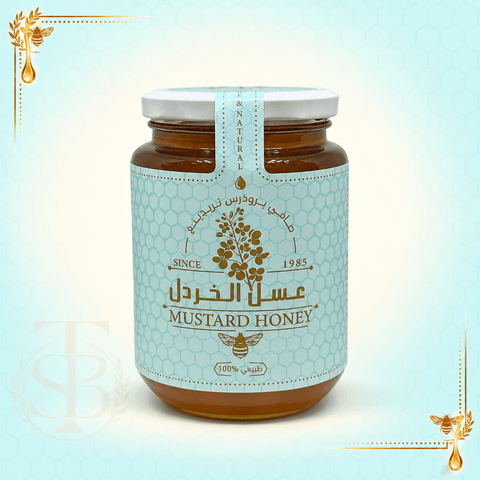
| Mustard | Pakistan, India, Bangladesh | Light, mild with a gentle tang | In tea and on toast |
| Lychee | China, Taiwan, Vietnam, Thailand | Light, floral and fruity | In tea and with fruit |
| Longan | Thailand, Taiwan, China | Amber, rich, caramel notes | In drinks and desserts |
| Acacia | China | Very light and mild | In tea, for children over 1 |
| Buckwheat | China and Siberia | Dark, strong and malty | In baking and on porridge |
| Tualang | Malaysia | Dark and tangy | By the spoon or in warm water |
| Renge | Japan | Pale and delicate | On bread and in Japanese sweets |
Sidr and Samar: the honeys of Arabia
In the Gulf, two honeys are especially valued. Sidr honey comes from the Sidr tree (Ziziphus), which grows across Arabia and South Asia; Yemen's Do'an valley and the mountains of Pakistan are famous for it. Samar honey comes from Samar acacia trees in the dry valleys of Arabia and is darker and stronger. Both are popular gifts in Qatar. Read more in our Sidr honey guide.
What makes Tualang honey different?
Tualang honey comes from Malaysia's rainforests. Wild giant honey bees build open combs high up in Tualang trees, some of the tallest trees in the forest, and local honey hunters climb up at night to collect them. The result is a dark honey with a slightly sour, tangy taste.
Renge honey from Japan
Renge honey comes from Chinese milk vetch, a small pink flower once widely grown in Japanese rice fields. It is pale and gentle, and is a classic table honey in Japan.
Try Asian honey types in Qatar
Our honey comes from Kashmir, Pakistan, and includes two of the honeys on this list: Sidr honey and mustard honey. You can also try acacia honey, or taste four types at once with the 4 Honey Combo. Exploring other regions? Read about honey types in Europe and honey types in America.
Honey is not suitable for babies under 12 months.
Taste Asian honey types in Qatar
Sidr honey → · Mustard honey → · 4 Honey Combo → · Cash on delivery · Free delivery across Qatar · 7-day money-back · WhatsApp +974 7772 5027
FAQ
Which Asian honey is most popular in the Gulf?
Sidr honey is the best known, followed by Samar honey. Both come from trees that grow in the dry valleys of Arabia and South Asia.
Does mustard honey taste like mustard?
No. Mustard honey is made from the nectar of mustard flowers, not from mustard seeds. It is light and mild with only a gentle tang.
What is Samar honey?
Samar honey comes from Samar acacia trees in Yemen, Saudi Arabia and Oman. It is darker and stronger than Sidr honey.
Safi Brothers Trading is a Qatar company (CR No. 203876) from a family that has been in the honey business since 1985. Our honey comes from Kashmir, Pakistan. Shop online or visit us at Ezdan Oasis, Al Wukair.